A wine tasting becomes more memorable when you understand the people and place behind each bottle. At Tres Sabores, that story begins on Napa Valley’s Rutherford Bench, where grapevines share the landscape with heritage olives, Meyer lemons, pomegranates, and animals that make the property feel unmistakably like a working ranch.
Family-owned and woman-led, Tres Sabores approaches winemaking as a craft that extends from the earth to the vine to the glass. Every stage offers an opportunity for artistry, and every bottle reflects decisions that begin long before the grapes reach the winery.
Originally aired on July 28, 2021, this installment of Crush Wine XP’s Virtual Tastings introduced viewers to Tres Sabores and its owner and winemaker, Julie Johnson. Hosted by Sam Kimball and presented by Citi, the tasting featured four wines while exploring the farming, personal history, and creative spirit behind the estate.
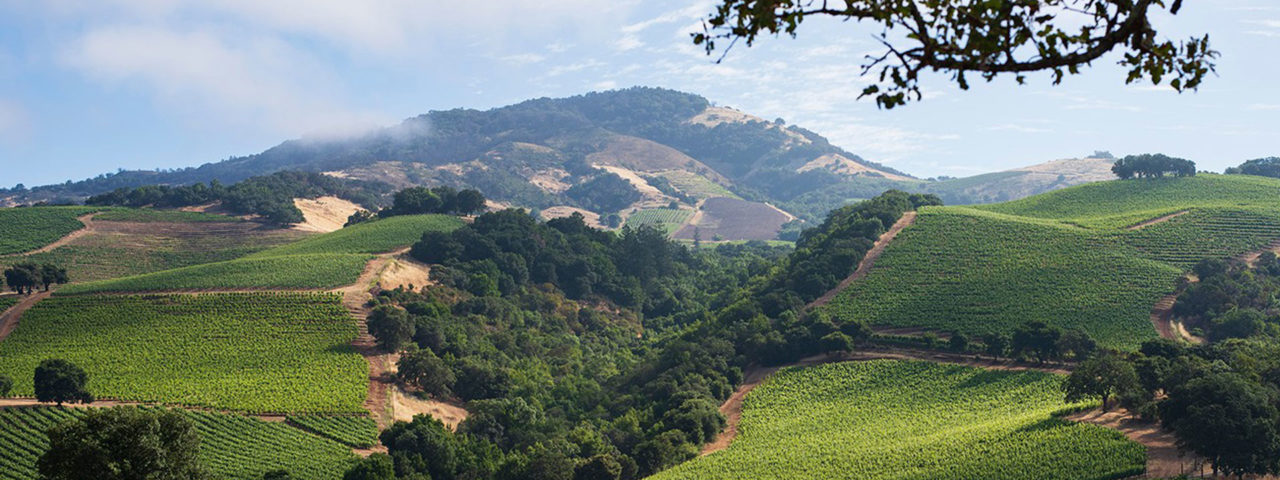
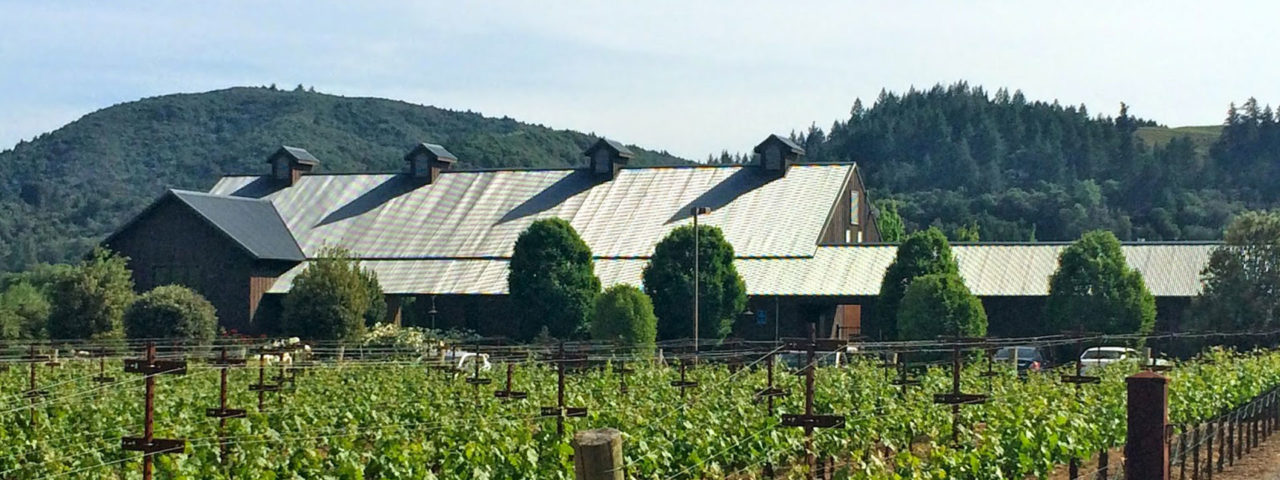
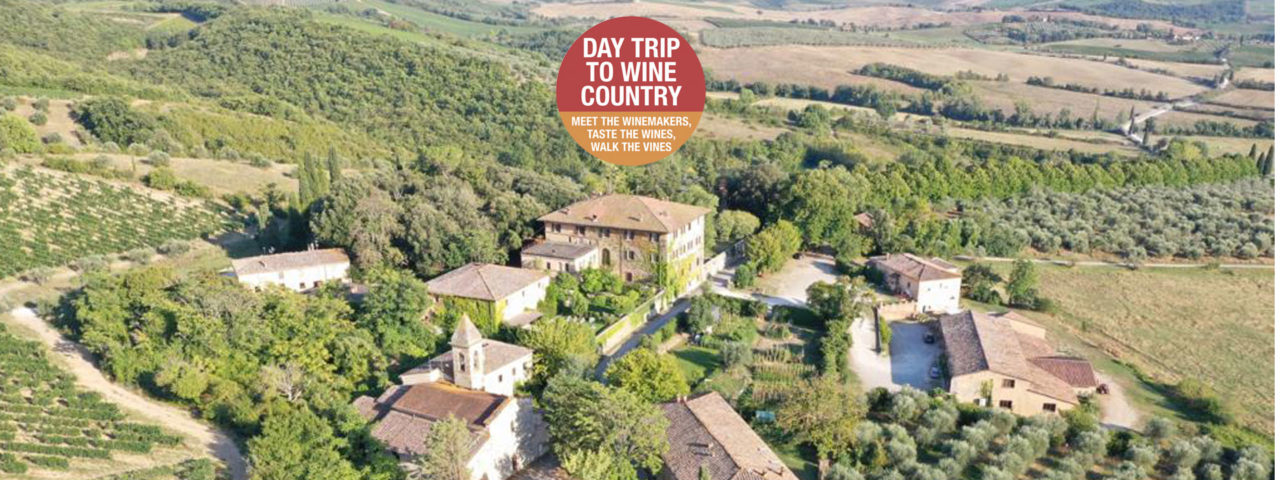
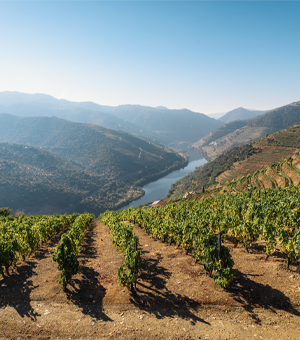
Tres Sabores’ estate on the Rutherford Bench provides the backdrop for its winemaking process. The property brings together vineyards, an heirloom garden, fruit trees, and a living ecosystem, connecting wine production with the broader rhythms of the farm.
As a California Certified Organic Farm, or CCOF, the estate cultivates more than wine grapes. Heritage olives, Meyer lemons, pomegranates, and other garden crops contribute to a landscape with multiple purposes and seasonal expressions.
That variety gives tasting participants a useful way to understand the winery. Wine belongs within a larger agricultural setting, alongside foods, plants, and daily farming responsibilities. The vineyard is one part of a place that Julie has called home and cared for over decades.
For anyone discovering Tres Sabores through a virtual tasting, this context adds another dimension to the glass. The experience becomes an invitation to consider where wine comes from, how its ingredients are grown, and what it means for a winemaker to maintain a close relationship with the land.
The Tres Sabores ranch is home to bluebirds, red-tailed hawks, a herd of sheep, and a flock of guinea fowl. Their presence conveys the character of the property: an active agricultural environment with life extending well beyond the vineyard rows.
These details make the winery’s farming story tangible. Organic certification can sound abstract when encountered on a label. A description of the ranch offers a fuller picture of the place behind that designation.
Viewers can imagine birds overhead, sheep on the property, and garden crops growing alongside the vines. Together, these elements establish a sense of place that is difficult to communicate through a bottle alone.
The tasting creates room for that larger story. Participants can learn about the setting while considering the wines, connecting the sensory experience of tasting with the agricultural environment that supports the estate’s work.
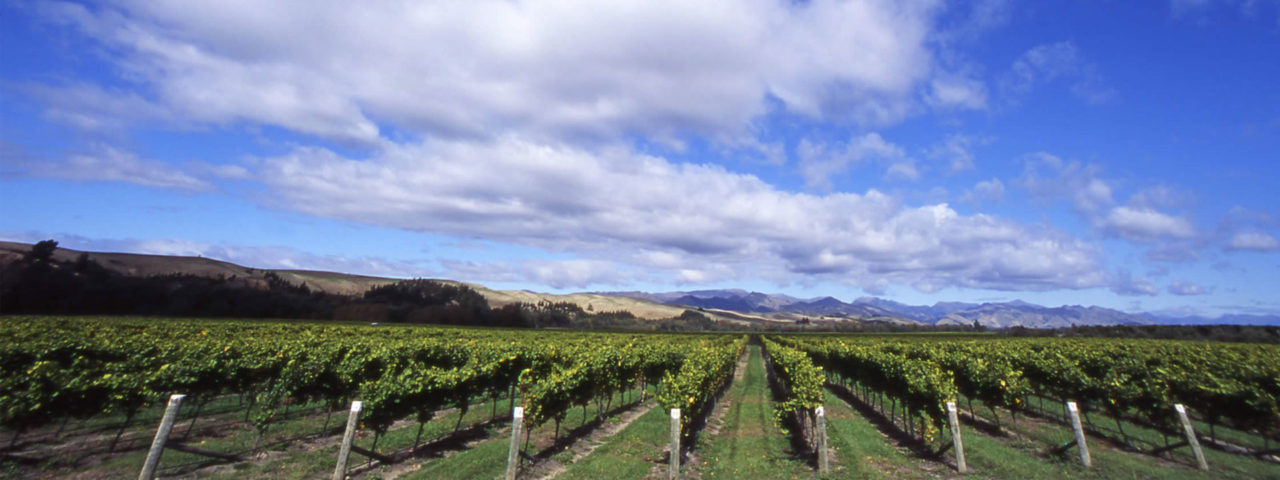
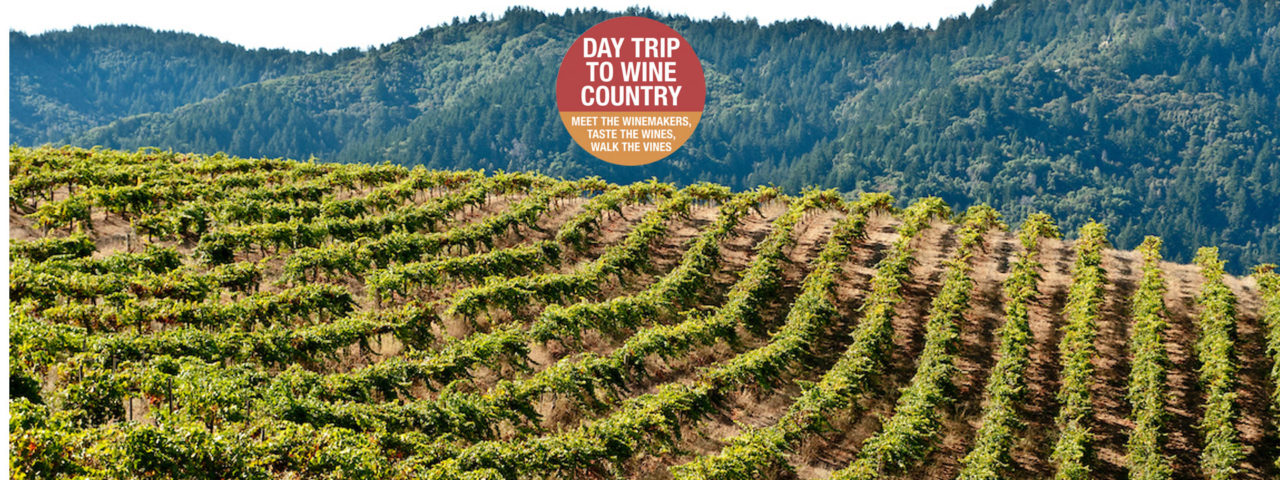
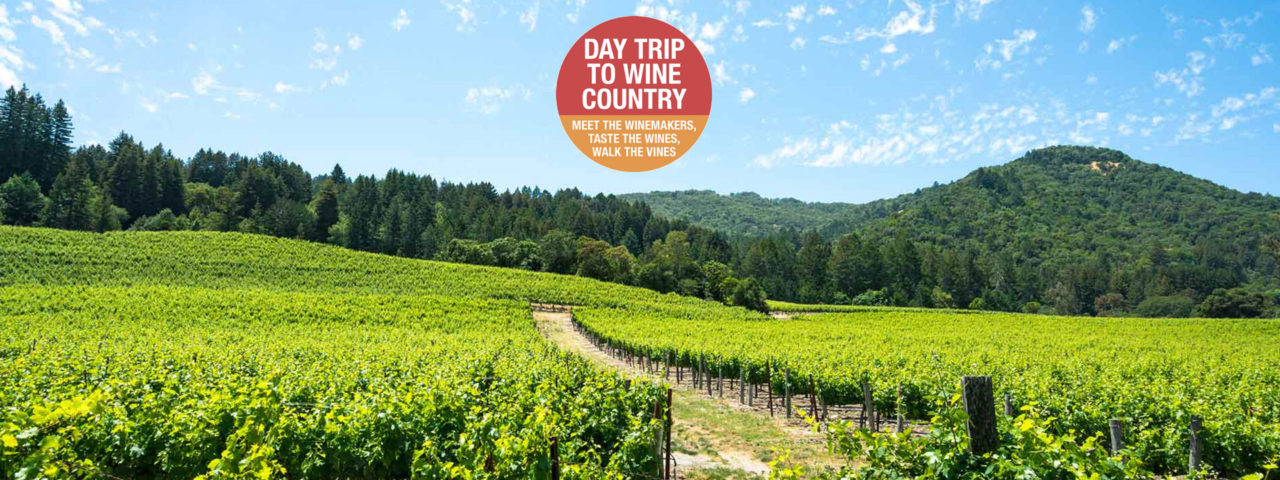
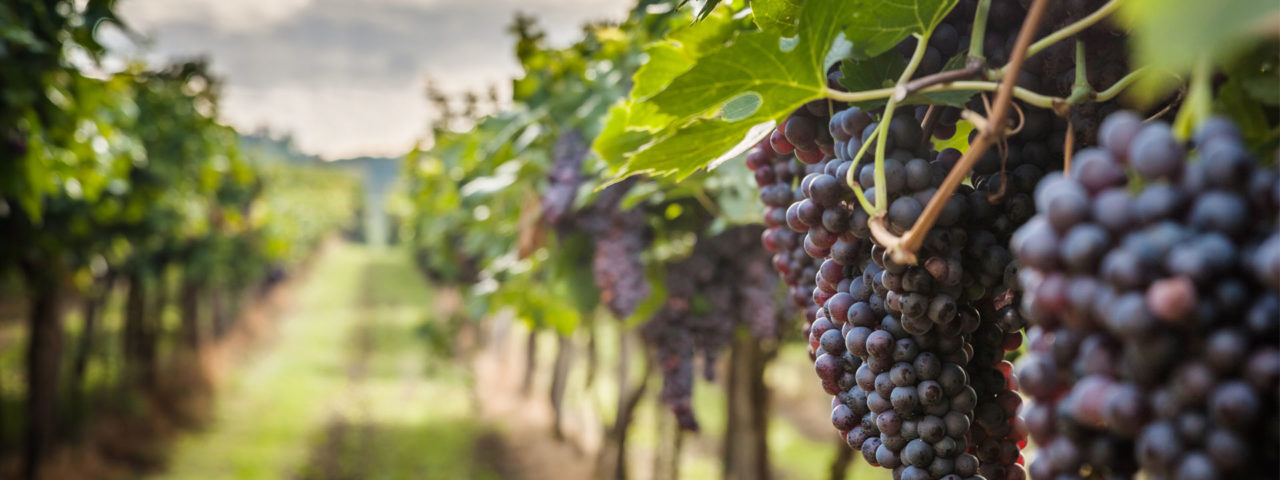
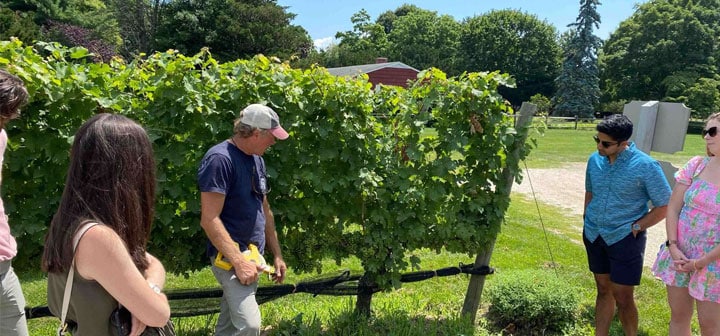
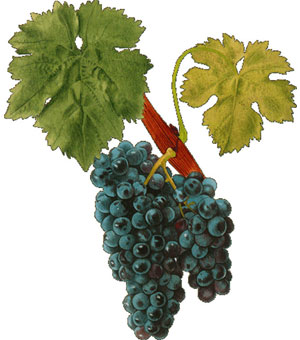
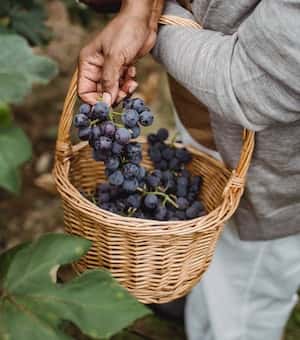
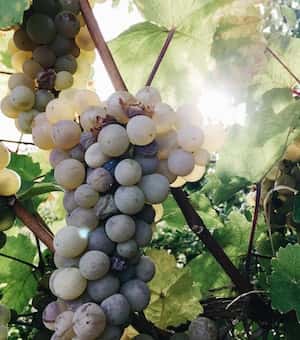
In its estate vineyard, Tres Sabores cultivates Zinfandel, Cabernet Sauvignon, and Petite Sirah. The vineyard’s planting history reaches back to 1972, giving the property a connection to decades of grape growing.
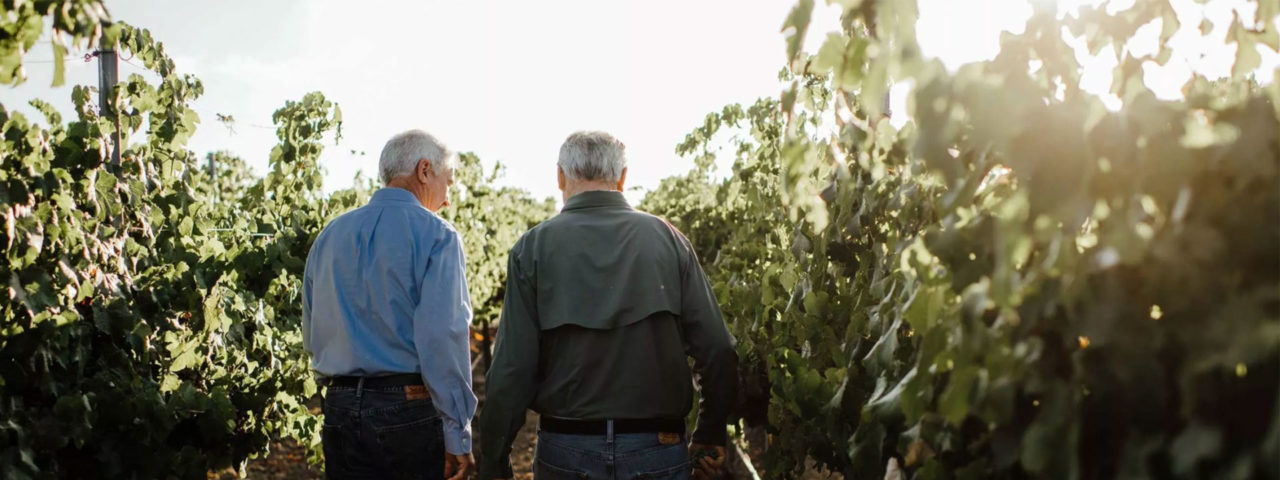
The gnarled, woody vines are a striking part of that history. They provide a visual reminder that vineyards develop over time and that each growing season becomes part of a much longer agricultural story.
Tres Sabores describes these established vines as producing grapes with rich, complex flavors. For tasting participants, that offers a starting point for exploring the estate wines: how does the vineyard’s character emerge in the glass, and what qualities does the winemaker seek to preserve?
The Rutherford Estate Zinfandel featured in this program gives those questions particular relevance. It connects the tasting directly to Tres Sabores’ home vineyard, allowing participants to consider the estate’s identity through one of the varieties grown there.
Julie Johnson’s story brings together food, wine, farming, and an earlier career in nursing. A California native, she received a Bachelor of Arts from Bowdoin College before graduating from Columbia as a public health nurse.
After relocating to Napa Valley in 1980, Julie continued practicing nursing while entering the wine industry. In 1981, she founded Frog’s Leap Winery with her first husband, John Williams, and partner Larry Turley.
That background gives the Tres Sabores tasting a personal thread. Julie’s relationship with Napa Valley developed through both professional work and daily life, eventually centering on her own farming and winemaking pursuits.
At the time of the 2021 program, she had spent approximately 30 years living on a certified organic farm and growing wine grapes. Her passion for food, wine, and the land provides a clear foundation for the estate’s approach.
Meeting a maker with that history changes the experience of tasting. Participants have an opportunity to understand the person making the decisions, the experiences informing those choices, and the connection between a working farm and a finished wine.
The tasting lineup offered a varied introduction to the winery:
Together, these selections gave participants a way to move across wine styles while keeping the winery’s approach in focus. A white wine, a rosé, an estate Zinfandel, and a California red invited comparison without requiring every bottle to express the same qualities.
The range also reflected Tres Sabores’ work beyond its own property. Alongside estate-grown fruit, the winery selects grapes from vineyards in Sonoma and Oregon’s Willamette Valley to complement and diversify its wines.
For participants, this selection created an opportunity to explore both the winery’s home vineyard and its interest in fruit from other growing regions.
The 2020 Tres Sabores Sauvignon Blanc came from Farina Vineyard on Sonoma Mountain. Its inclusion introduced a vineyard source beyond the Rutherford estate and broadened the tasting’s geographic perspective.
For participants, the wine offered an opportunity to pay attention to aroma, acidity, texture, and balance. What stands out on the first sip? How does the impression change as the wine opens in the glass?
Those questions allow each taster to develop an individual response while listening to the maker’s explanation. Specific tasting impressions can vary, so an attentive approach leaves room for discovery.
The Sauvignon Blanc also provided a useful introduction to Tres Sabores’ selection of fruit from other vineyards. It demonstrated how the winery’s portfolio can encompass different places while remaining connected through the judgment of its winemaker.
The 2020 “Ingrid & Julia” Rosé brought another style into the conversation. Alongside the Sauvignon Blanc, it gave participants an opportunity to compare their impressions across two distinct wines.
Rosé invites attention to color, aroma, freshness, and texture. Looking closely at the glass before tasting can make the experience more deliberate, while returning for a second sip often reveals something missed initially.
Its presence in the lineup also encouraged a broader view of the winery. Tres Sabores’ craftsmanship could be explored through several expressions rather than through a single grape variety or category.
For a virtual gathering, that variety keeps the experience engaging. Participants can compare preferences, consider how they might enjoy each wine at home, and listen for the decisions that distinguish one selection from another.
The 2018 Tres Sabores Zinfandel, Rutherford Estate, brought the focus back to the winery’s own vineyard. After learning about the ranch and its established vines, participants could approach this bottle with a stronger understanding of its origins.
The estate designation made the relationship between land and wine especially immediate. This was a selection connected to the property at the center of the tasting’s story.
Tasters could consider its structure, texture, concentration, and finish while reflecting on the vineyard described by the maker. The experience encouraged them to look beyond a variety name and think about the particular place where the grapes were grown.
That connection is one of the pleasures of meeting a winemaker. A bottle gains context, and the act of tasting becomes part of a larger conversation about farming, time, and creative choices.
The 2019 ¿Por qué no? California Red Wine completed the lineup. Its name, meaning “Why not?”, offered an inviting expression of curiosity.
Alongside the estate Zinfandel, it gave participants another red wine to consider and compare. Differences in aroma, body, texture, and overall impression could become starting points for discussion.
The name also suited the accessible spirit of the program. Wine tasting can begin with simple questions and personal observations, without requiring an extensive technical vocabulary.
For viewers exploring Tres Sabores for the first time, the two red wines offered another opportunity to discover their preferences while learning about the range of the winery’s work.
Crush Wine XP’s weekly Virtual Tastings program brings audiences together with makers from across the country. Hosted by Sam Kimball and presented by Citi, it combines selected wines with conversations about the histories and people behind them.
The Tres Sabores episode offered a vivid connection between a winemaker and her land. Through Julie Johnson’s story, the organic ranch, and four featured bottles, participants could explore wine as both an agricultural product and a personal craft.
Originally aired July 28, 2021, the tasting remains an invitation to approach the glass with curiosity—and to appreciate the work that begins long before the first pour.